Better Call Saul (2015): From Small-Time Lawyer to Saul Goodman
Better Call Saul (2015) follows Jimmy McGill's transformation from a small-time lawyer into the criminal attorney Saul Goodman before Walter White.
October 22, 2026
What the Film Is Really About
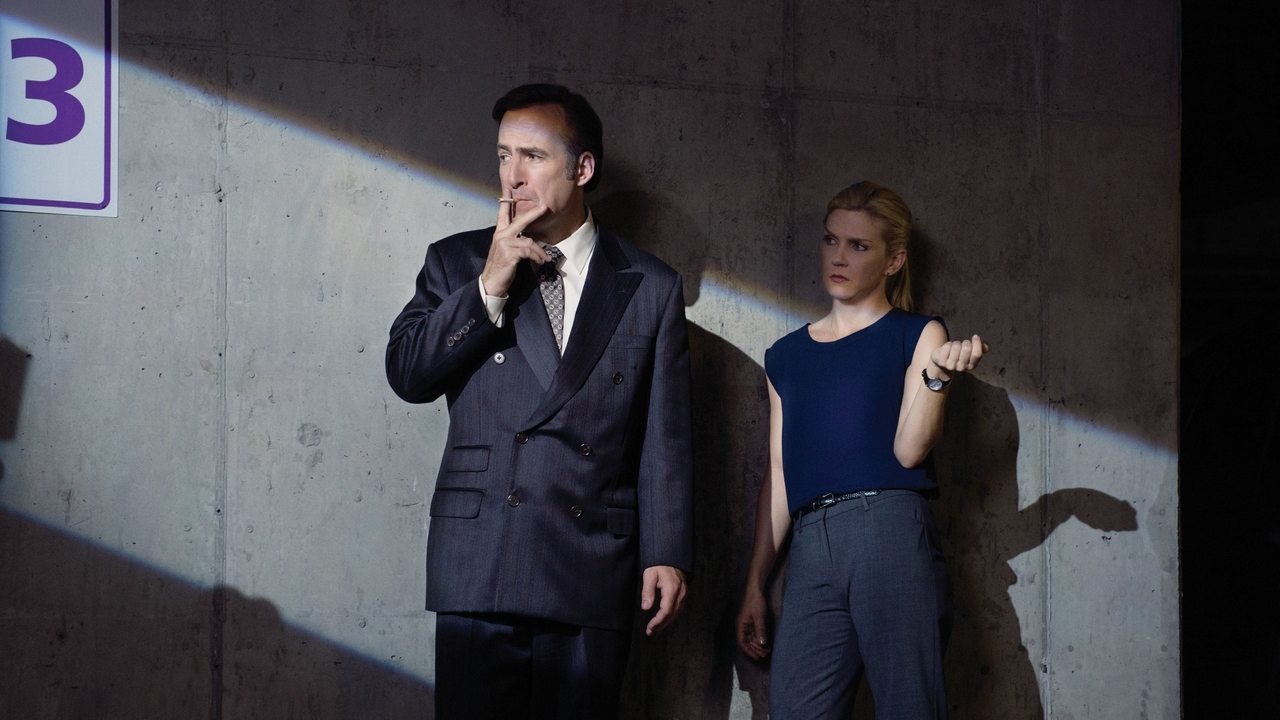
Streaming audiences who wonder what is Better Call Saul about often expect a standard procedural featuring a defense attorney pulling clever tricks. The actual experience is contemplative. The series follows Jimmy McGill, a small-time lawyer hustling in New Mexico six years before he adopts the Saul Goodman persona. Rather than depicting cases, it examines how a fundamentally decent man drifts toward corruption. The neo-western setting, with sparse landscapes and quiet towns, frames personal choices against a vast moral emptiness that feels distinctly American.
Jimmy's bond with brother Chuck, a successful yet troubled lawyer, anchors the emotional core. Their dynamic embodies brother against brother tension. Alongside is Mike Ehrmantraut, a former cop turned fixer whose pragmatism contrasts Jimmy's scrambling optimism. The narrative refuses to rush; it lets silence accumulate, suggesting identity is built through unnoticed compromises rather than a single decision.
Viewers who enjoy character-driven courtroom tension might also appreciate The Lincoln Lawyer, a modern series that similarly probes gray areas of legal representation while keeping a brisker pace.
The Ideas Behind Better Call Saul
The Better Call Saul themes of moral conflict, family relationships, tragedy, and dark comedy interweave into a meditation on consequence. Jimmy is not a villain early; he is a romantic with shortcuts. The show asks whether a person is defined by worst act or by daily rationalizations. Romance appears as another arena where honesty is negotiated and sometimes sacrificed for survival.
Understanding the Better Call Saul meaning requires looking at visual choices as much as plot. The camera places characters in extreme wide frames, tiny against sky, hinting at how insignificant ethics become under pressure. Shadow-heavy illumination carries symbolic weight, dividing faces to mirror inner split. Such low-key lighting is narrative argument, not mere style. The tagline—putting the "criminal" in "criminal lawyer"—captures that irony.
Dark comedy pulses through bleak moments. A fraudulent commercial becomes laugh-out-loud even as it signals erosion. This blend keeps audience complicit, laughing at deeds we know we should condemn. The humor never undermines the tragedy; instead it sharpens the sting of transformation.
Genre Roots and Influences
Recognizing the show as a Better Call Saul prequel to a wider crime saga enriches every scene. It is a spin-off honoring source while carving identity. The neo-western label connects to frontiers, yet here the frontier is a strip mall. Slow-cinema pacing meets serialization, producing something classic and novel.
Several chapters open with unbroken tracking shots through offices or deserts, establishing place before people. Montage sequences set to melancholic music linger, functioning as echoes of earlier choices. The score rarely comforts; it underscores loss and inevitability of change.
For a contrasting interpretation of legal history, readers might explore Perry Mason, which reconstructs an earlier justice system with equal care but a different tonal register.
Why Better Call Saul Matters Now
In an era saturated with true-crime, this series matters because it refuses easy judgment. It presents a crooked lawyer not as monster but as product of wounds and economic pressure. The cultural context of distrust in institutions makes Jimmy's slide resonant. We see how legal dream curdles into cynicism when family expectations crush worth.
Its moral ambiguity speaks to audiences tired of simplistic heroes. Every character believes they are right, a reflection urgent when discourse polarizes good and evil. By sitting with discomfort, viewers practice empathy without endorsement, recognizing rationalization in themselves.
Crime enthusiasts wanting another angle on ambition can turn to BMF, a drama tracing enterprise and loyalty in a separate world probing cost of mobility.
What We Think of Better Call Saul
A thorough Better Call Saul analysis reveals remarkable craft. Writing trusts audience to piece together motivation over hours; editing stitches threads into tapestry. Characters like Mike, Kim Wexler (Rhea Seehorn), and foes receive space to be understood. Bob Odenkirk anchors transformation with vulnerability; Jonathan Banks and Giancarlo Esposito add restrained menace that elevates scenes.
Initial episodes move at restrained tempo some find challenging, yet patience unlocks reward. Later arcs show seeds planted seasons earlier. With rating 8.717 out of 10 across 7002 votes, consensus acknowledges quality even if mood is heavier than predecessor's tension. It is a slow burn that pays off.
We admire how the series uses New Mexico not as postcard but as moral weather. Lighting, wide angles, songs—all serve thesis that transformation is gradual, irreversible. It is among most ingeniously produced shows on free streaming, deserving repeated viewing.
Better Call Saul Highlights
- Evolution from Jimmy McGill to Saul Goodman, plotted with painful realism.
- Mike Ehrmantraut's parallel journey, proving every fixer has a code.
- Cinematography turning parking lots into existential landscapes.
- Brotherly conflict grounding crime in intimate hurt.
- Musical montages translating regret into image and sound.
Ultimately the work stands as tragic romance with a grin. It invites laugh, wince, reflect, then asks if we would do better when system bets against us. That question is true payload of this extraordinary prequel and thematic triumph, a centerpiece for thoughtful streaming.