Brothers (2015): The Cost of Wearing Another Man's Life
A SAF Trooper must impersonate his murdered brother, forcing him to confront identity, betrayal, and a family he never knew.
November 14, 2026
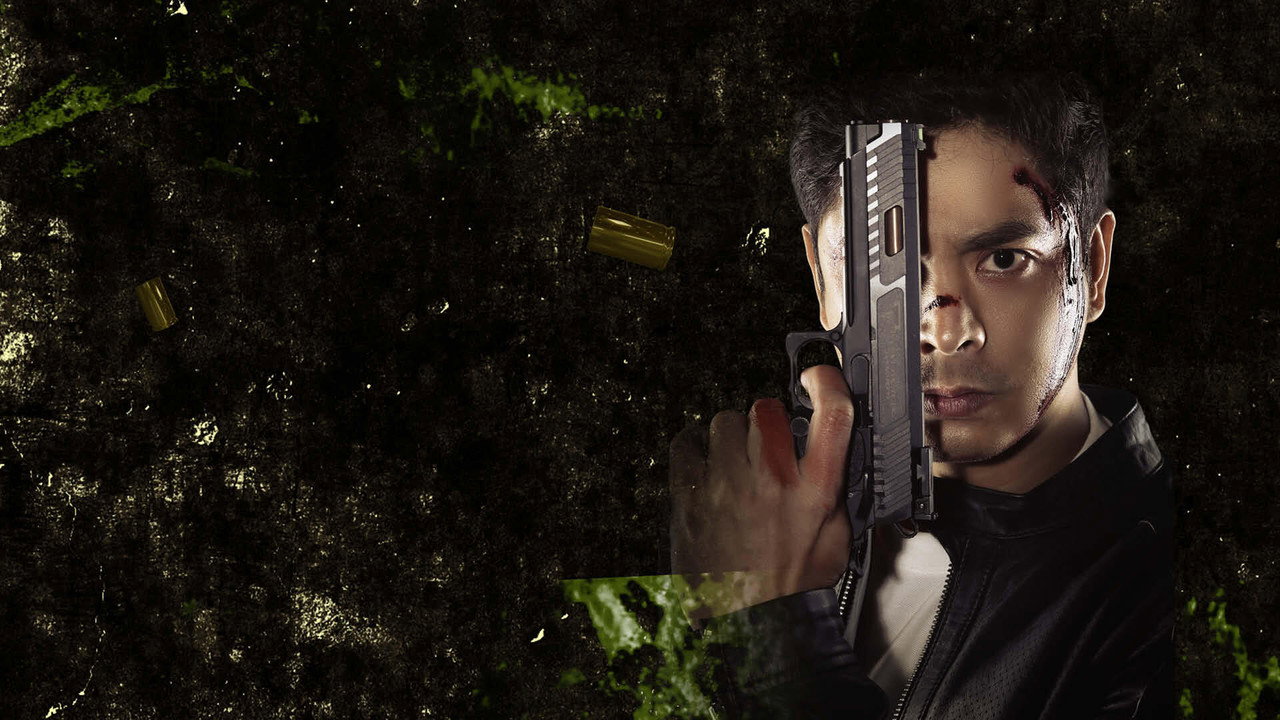
What the Film Is Really About
On the surface, this is a story about a police operation gone wrong and a man forced to step into a role he never asked for. But the deeper current running through the story is something more uncomfortable: the idea that identity is not fixed, that the person you are can be overwritten by duty, grief, and a system that treats human beings as interchangeable parts. Ador is the accomplished officer with a family that anchors him. Cardo is the loner from the mountains, a SAF Trooper who prefers solitude to people. When Ador's own colleague betrays him into the hands of a syndicate and he is killed, Cardo is ordered to become him — to wear his name, his manner, his life, and finish the mission his brother left behind.
If you are wondering what is Brothers 2015 about, the honest answer is that it is less a crime story than a study of how a family can be held together and torn apart by the same act of substitution. Cardo does not just impersonate his brother; he inherits his brother's wife, his friends, and a grandmother he has resented for years, assuming she abandoned him as a child. The film uses the syndicate plot as a pressure system, the way a stage uses a storm, to see how long a borrowed identity can hold before the seams split.
The Ideas Behind Brothers
The central idea is that losing a sibling is never one loss. Ador's death is the obvious one, but the story keeps showing that Cardo loses himself in the process — his solitude, his sense of being the separate brother who was never part of the family picture. Becoming Ador means surrendering the one thing that defined him. That is why the story of The Unit has always resonated with viewers drawn to this film: both projects understand that elite service hollows out the person inside the uniform.
The grandmother thread pushes the themes into a different register. Cardo is forced to sit with someone he has spent years hating, and the resentment turns out to be built on a misunderstood abandonment. The film's real argument is that grudges are often just stories we tell ourselves about people we never actually asked. Confronting that is harder than any firefight.
There is also an idea about the state as an invisible author. A police institution decides that a dead man's face can be reused, and nobody consults the family. The syndicate is the visible villain, but the machinery of the job is the one that makes the tragic choice possible. That double layer is what makes this a Brothers 2015 sibling identity story rather than a simple undercover thriller.
Genre Roots and Influences
The genre lineage here is unusually clear. This is the classical identity-swap plot — the potboiler, the teleserye, the secret-twin tradition — but it is dressed in the uniform of the late-2010s action drama. The film borrows the procedural structure of police-and-syndicate stories, then uses it to smuggle in material that is really about family grievance and the cost of service. The action is functional; it sets up pressure, not spectacle.
The closest kin on this shelf is S.W.A.T., which shares the same interest in tactical units as a frame for human conflict rather than as the point of the show. Where that program leans into team dynamics, this film leans into blood dynamics. There is a small but real tradition of that tension — Dempsey and Makepeace is another text that treats partnership and identity as the real engine under the police work.
The Filipino family drama is the other parent. The idea that a dead man's role must be filled by a relative, and that the family will accept it, is closer to the teleserye than to the imported action film. The film's power comes from refusing to pick one tradition: it lets the syndicate plot and the family melodrama argue inside the same runtime.
Why Brothers Matters Now
There is a specific kind of cultural context here. This is a story about a man who is told that his own life is secondary to a job, and that his family is something to be managed. Viewers no longer take that quietly. The film is not a documentary and does not claim to be, but the central discomfort — that a person could be cancelled and replaced by a brother — is exactly the kind of institutional mistreatment that popular entertainment has become more willing to name. The film was made before that conversation became louder, which makes its central premise feel oddly prescient.
What is also striking, viewed now, is how much weight the film puts on silence within a family. Cardo does not confess early. He moves through Ador's house, eats at Ador's table, and says nothing. That is the kind of behavior audiences have learned to read as trauma rather than deception, and it gives an older film an added layer.
Any serious Brothers 2015 movie analysis has to acknowledge that the film does not resolve cleanly. It would rather leave the viewer with a question about what family does to a person and what a person owes family in return.
Brothers: Our Final Verdict
As a piece of filmmaking, this is uneven and often blunt, and its 6.6/10 rating reflects that honest split. The performances are the strength — the cast includes Coco Martin, Julia Montes, Susan Roces, Jaime Fabregas, John Arcilla, Lorna Tolentino, Tirso Cruz III, and Angel Aquino, and the family scenes carry real weight. The pacing around the syndicate plot is the weak spot; it sometimes feels like scaffolding for the more interesting domestic material.
If you go in expecting a slick action film, you will likely be mildly disappointed. If you go in expecting a drama about what a brother is, you will find a film that is genuinely trying to say something.
Brothers Verdict
Look at this as a genre hybrid rather than a straight thriller. The notion of Brothers 2015 film brothers themes — loyalty, substitution, and the borrowed life — is what holds it together, and it is the reason it deserves a watch rather than just a stream on autopilot. The Brothers film meaning 2015 keeps pointing back to the same idea: losing a brother is loss, but losing yourself to keep him alive is the larger tragedy.
What makes the film memorable is the way the impersonation never becomes a clever trick. It is a slow erasure, and the film's most affecting moments are the ones where nobody is fighting anybody. Watch it for that. Give it your attention, not as background noise, and let the family scenes land as the actual climax.