Godzilla Minus One (2023): A Monster as Second Catastrophe
Godzilla Minus One uses the monster as a pressure test for human resilience in a nation already reduced to ashes.
November 12, 2026
What the Film Is Really About
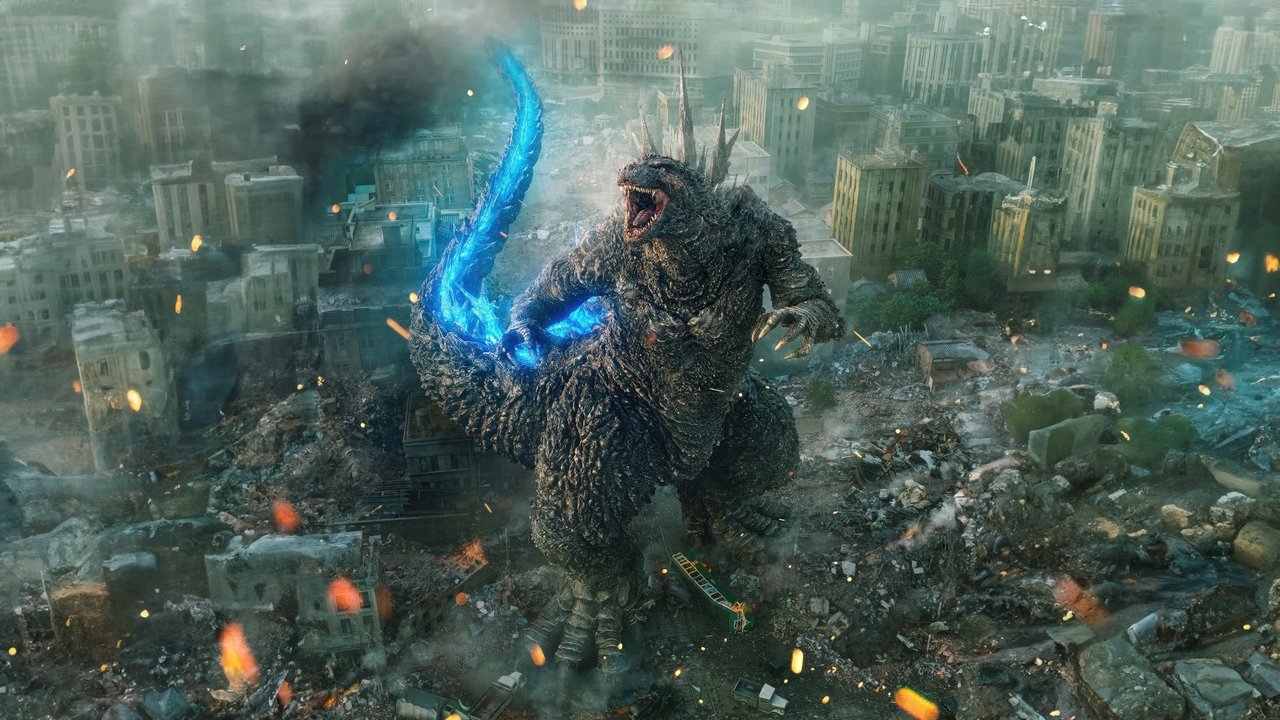
When audiences ask what is Godzilla Minus One about, the easy answer involves a giant reptile flattening a city. The more honest answer involves a broken man learning to live again. Takashi Yamazaki's film uses the monster as a pressure test for human resilience, and it is far more interested in the people standing in the rubble than in the creature trampling through it. Set in a nation already reduced to ashes, the movie treats Godzilla less as a villain and more as a second catastrophe piled on top of the first — a crisis that forces a shell-shocked population to decide whether survival is worth the effort.
At its center sits Kōichi Shikishima, a wartime pilot who never carried out his assigned duty and carries the shame of that decision into peacetime. His arc is the film's emotional engine. The movie surrounds him with a makeshift family, a community of neighbors, and a ragtag group of veterans who have been discarded by the institutions that once commanded them. Every one of these characters has lost something, and the story asks how people rebuild when grief has become the default condition of daily life.
The Ideas Behind Godzilla Minus One
The Godzilla Minus One themes reach further than most creature features bother to go. Guilt and redemption sit at the top of the list, embodied in a protagonist who believes he owes a debt he can never repay. The film refuses to let him off easily; instead, it argues that forgiveness is something a person has to accept rather than earn. Around him, the story explores collective trauma, the failure of authority, and the quiet heroism of ordinary citizens who step in when no one else will.
The title itself signals the film's thesis: Japan has already been knocked down to zero, and now something arrives to push it into negative territory. That sense of compounding hardship runs through every frame. There's also a pointed critique of institutions here. Soldiers and sailors are told to die for a cause, then abandoned once the cause evaporates. The survivors who should be protected by their government are left to fend for themselves, and the movie treats that abandonment with real anger without ever letting the anger curdle into pure cynicism.
One of the most striking ideas in the film is that trauma demands direct confrontation. Running from what haunts you doesn't make it go away; it simply waits for its moment. A proper Godzilla Minus One analysis would note how carefully the script engineers a scenario in which the only path forward is the one the hero has been fleeing his entire life. That structure turns the final act into something closer to emotional reckoning than spectacle, even though the spectacle is considerable.
Genre Roots and Influences
Anyone curious about the deeper Godzilla Minus One meaning should look backward at where the monster came from. The original 1954 film was a nuclear nightmare dressed in rubber and wire, and Yamazaki's version keeps that memory alive by placing its story in the immediate aftermath of the war rather than the modern day. The kaiju lineage is unmistakable here, but the movie also borrows from disaster cinema and classical melodrama, pulling the emotional weight of each tradition into the creature's path.
The film's debt to Japanese monster cinema runs deep, and viewers who enjoy tracing those connections might find themselves comparing it with other installments in the franchise. It is worth seeking out Godzilla vs. Megaguirus to see how differently another era of the series handled a Godzilla threatening Japan's cities. For a broader taste of the kaiju tradition, The War of the Gargantuas offers a look at how the genre handled oversized creatures and human drama decades earlier.
What separates this film from its influences is restraint. The monster is shown sparingly, and the camera often stays with the humans in the moments that matter most. The result feels like a bridge between the franchise's past and a future where kaiju movies can stand alongside prestige dramas. It's no wonder the film has already inspired a continuation; audiences curious about where this story heads next can look at Godzilla Minus Zero for signs of the path ahead.
Why Godzilla Minus One Matters Now
There's a reason this movie hit so hard with viewers who usually skip monster films. Its concerns — grief, veterans left behind, institutions that shrug at human suffering, families formed out of necessity rather than blood — resonate far beyond the shores of postwar Japan. The film also demonstrates what a modest budget can accomplish with disciplined filmmaking. The visual effects serve the story rather than announcing themselves, and the sound design treats the monster's presence as a physical experience. For a modern audience accustomed to inflated blockbusters, this kind of focused craft is a welcome corrective.
The Godzilla Minus One symbolism is woven so tightly into the narrative that it rarely feels like a lecture. The sea, the ruined neighborhoods, the half-finished house the characters share — all of it carries emotional weight without being underlined. Even the creature's radioactive nature echoes the original film's anti-nuclear warning while remaining rooted in the specific moment the story depicts. The film matters because it trusts its audience to feel these ideas rather than have them explained.
The war-era backdrop also gives the movie a moral seriousness that few films in the genre attempt. It asks what a country owes the people it sent to fight, and it refuses tidy answers. That question lands differently in every generation, which is part of why this movie continues to resonate with viewers who discovered it long after its release.
Is Godzilla Minus One Worth Your Time?
If you're looking for wall-to-wall monster action, this isn't quite that film. If you're looking for a movie that treats a giant creature as a vehicle for examining human cruelty, resilience, and hope, it will likely stay with you for days. The performances carry the emotional load, the direction keeps the pacing taut across its 125 minutes, and the monster sequences land with real force precisely because the human stakes have been established first. The occasional melodramatic flourish is a small price for a film that cares this much about its characters.
For anyone who has been curious about the Godzilla Minus One themes and the conversations the film sparked, the answer is simple: it earns the attention. This is a lean, sincere, often devastating piece of genre filmmaking that understands the difference between showing destruction and showing what destruction does to people.
Godzilla Minus One Quick Facts
- Director: Takashi Yamazaki
- Release year: 2023
- Runtime: 125 minutes
- Genres: Science Fiction, Horror, Action
- Main cast: Ryunosuke Kamiki, Minami Hamabe, Yuki Yamada, Munetaka Aoki, Hidetaka Yoshioka, Sakura Ando, Kuranosuke Sasaki, Sae Nagatani
- Rating: 7.619/10 based on 3641 votes
- Tagline: 戦後、日本。無(ゼロ)から負(マイナス)へ。
It's a film that takes its title seriously, dragging its characters from nothing into something worse and then asking whether they can climb back out. That question, delivered with craft and conviction, is what makes it essential viewing.