Gravity Falls (2012): Why This Oregon Mystery Endures
A spoiler-free guide to Gravity Falls (2012), covering its premise, tone, and pace so you can decide whether this cult favorite is worth starting.
November 10, 2026
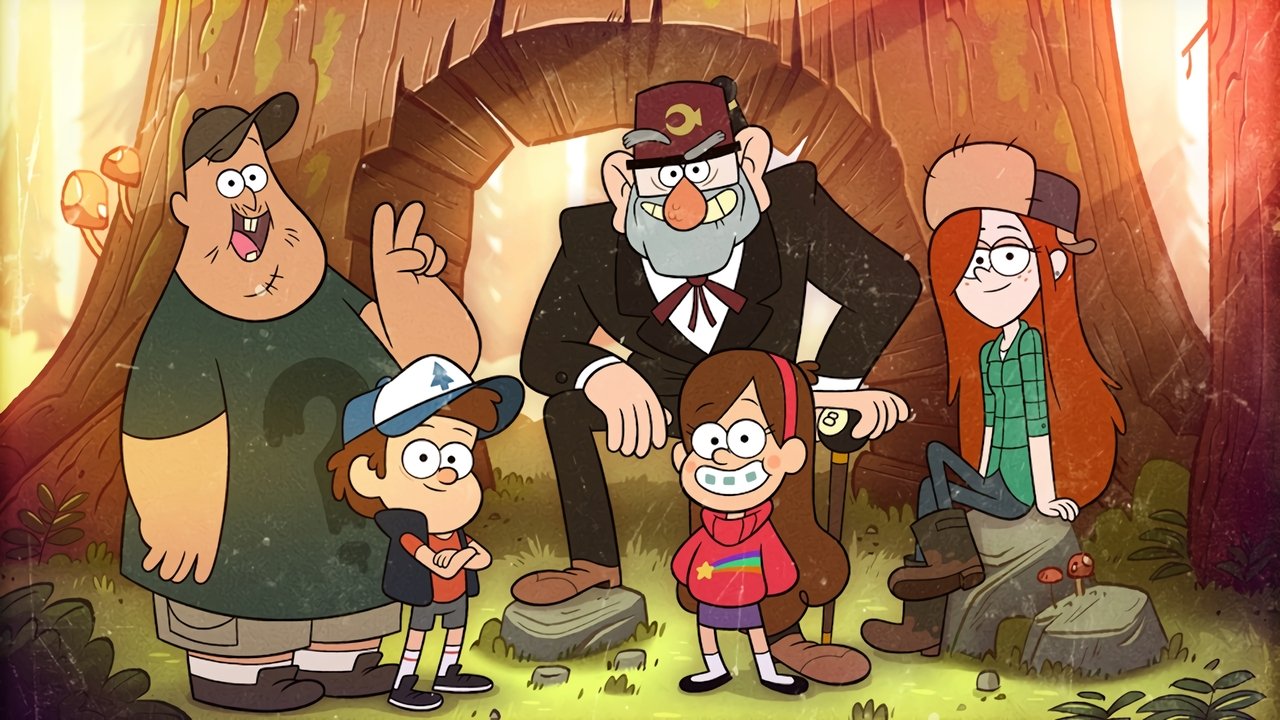
A Spoiler-Free First Look
Some shows announce themselves with a grand dramatic opening; this one opens with a handmade sign, a run-down shack, and a pair of twins who have no idea what they have just walked into. Gravity Falls arrived in 2012 and has been quietly accumulating devoted viewers ever since, which makes it a strange kind of cult favorite — well known to people who have already watched it, almost invisible to everyone else. This piece is written for the second group: people who have not seen a single episode and want to know what they would be committing to before pressing play. The good news is that a Gravity Falls spoiler free overview is genuinely possible, because the show's appeal does not depend on a single twist paying off. It depends on a place, a mood, and a family, all of which can be described without ruining anything.
The setup starts simply. Dipper and Mabel Pines are siblings spending the summer with their great uncle Stan, who runs a tourist trap in a small Oregon town. That is the whole premise in one sentence, and it is deliberately modest. Everything else grows outward from it.
The Premise
What makes the foundation work is the contrast between the ordinary and the odd. The shack is a business, and Stan is a salesman first and a guardian second. The twins are not on a quest in any formal sense; they are on summer vacation, and vacations in small towns have a way of turning up strange neighbors, odd rural legends, and local secrets nobody talks about openly. Gravity Falls first look impressions tend to land on the same idea: the town itself is the main character, and the twins are our way in.
Dipper is the anxious, note-taking type who wants answers; Mabel is the cheerful, socially fearless type who wants a good time. Jason Ritter and Kristen Schaal give the two siblings distinct rhythms rather than a single comedic voice, and that balance is what keeps the family dynamic from feeling like a formula. Alex Hirsch voices Stan with real relish. If you have enjoyed animated series built around a strange community and a central mystery, Amphibia is a natural next stop after this one, and ChalkZone scratches a similar itch for kids who like their adventures a little off-kilter.
Tone, Style and Pace
Here is where most hesitant viewers want a straight answer. The show mixes genres freely — adventure, animation, comedy, family drama, mystery, and a light dusting of science fiction and fantasy — and the tone shifts with it. Some episodes are essentially comic; others lean into atmosphere and unease. So is Gravity Falls scary? For very young children, a few sequences may be a bit intense: there are strange creatures, dark forests, and moments of genuine suspense. It is not a horror series, and it never lingers on anything disturbing, but it does enjoy a good shiver. A Gravity Falls parents guide would reasonably say the intensity is closer to a spooky campfire story than to anything genuinely frightening.
Which brings up the question of a Gravity Falls kids friendly rating. The honest answer is that it depends on the child. Confident seven- and eight-year-olds usually take to it easily; more sensitive younger viewers might prefer to wait a year or two. Nothing here is graphic or mean-spirited, and the humor is layered enough that adults catch jokes the kids miss. Pacing is brisk — episodes move, jokes land quickly, and the show rarely pads a scene. There is an ongoing mystery threaded through the season, but it is introduced gently rather than dangled over your head.
Should You Start It?
Yes, and the reasons are practical rather than hype-driven. The series respects your time. Episodes are short, self-contained enough to watch one at a stretch, and structured so that the larger story builds without demanding homework. An 8.6 rating from several thousand viewers is not proof of quality on its own, but it does suggest that people who finish it tend to feel it was worth the hours.
If you bounce off this one, the same family-friendly adventure space has plenty of other options — Big Hero 6 The Series is a solid alternative with a very different flavor. But start here first. The commitment is small and the payoff is front-loaded.
Is Gravity Falls Worth Your Time?
For a viewer who has not yet tried it, the value sits in three places: the writing, the world, and the relationship at the center. The writing is tighter than most animated comedy of its era, with jokes that reward attention and callbacks that reward patience. The world feels lived in — the town has history, the woods have rules, and the show trusts you to notice. And the twins are genuinely likeable without being saccharine, which is harder to pull off than it sounds.
Themes of coming of age, summer, and family sit under the surface rather than being announced. You will notice dreams, symbolism, and magic woven through the episodes; you may not notice how much the show is quietly saying about growing up until later. That is a good sign. It means the series can be watched for fun first and thought about second.
Gravity Falls Scorecard
- Premise: simple, clear, and immediately inviting — twins, a tourist trap, a weird town.
- Tone: comedic on the surface, spooky in the corners, warm at the core.
- Pace: brisk episodes with a slow-building overarching mystery.
- Family watchability: broadly suitable, with mild scares worth screening for very young viewers.
- Commitment: low barrier, short episodes, easy to sample.
- Verdict: a strong first watch for anyone who has not yet been to this town.
If you are still on the fence, watch the first episode and stop there. You will know within twenty minutes whether the shack, the woods, and the twins are your kind of summer.