Monogatari (2009): Supernatural Oddities in a High School
A spoiler-free introduction to Monogatari (2009), the stylish anime where a high schooler helps girls plagued by supernatural oddities.
October 26, 2026
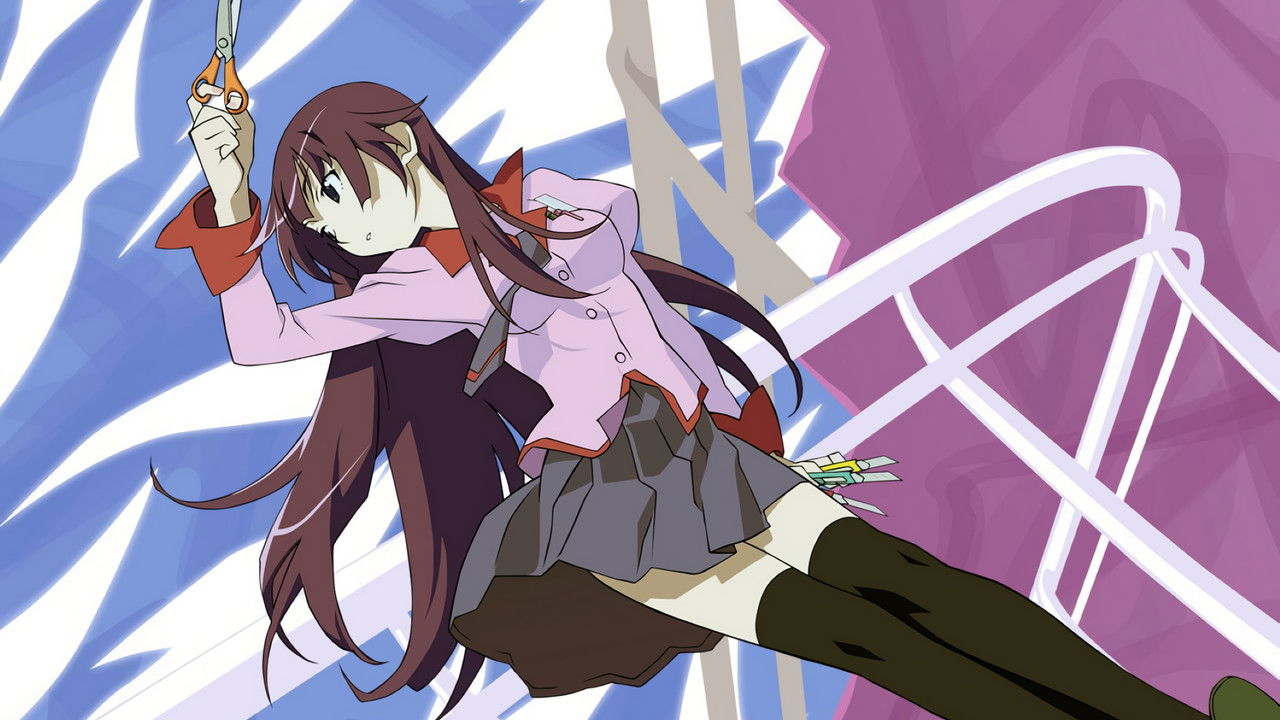
A Spoiler-Free First Look
Starting a long anime can feel like a commitment, so our Monogatari first look aims to ease that worry. The 2009 adaptation based on a light novel drops viewers into a Japanese high school where the ordinary quickly turns strange. You meet Koyomi Araragi, a student whose life keeps intersecting with the supernatural. This introduction avoids heavy exposition and instead lets odd moments speak for themselves. For anyone curious but cautious, we kept this section completely free of late-story reveals.
Visual storytelling leans on bold colors and unconventional camera angles. The direction favors talking heads and sprawling conversations over action spectacle. That choice might surprise those expecting a typical monster hunt. Yet the show respects your time by developing characters rather than stalling with filler. A quick Monogatari spoiler free note: the early episodes establish a pattern of one girl, one affliction, and a puzzling cause that ties back to Japanese mythology. The aesthetic mixes flat geometric backgrounds with sudden shifts in perspective, creating a mood that is stylish rather than scary.
Before we go further, it helps to understand the production context. The voice cast features Hiroshi Kamiya as the lead, with Chiwa Saito, Yui Horie, Maaya Sakamoto, Satsuki Yukino, and Miyuki Sawashiro supporting the many female roles. Their performances give the script a rhythmic quality that carries the viewer through ambiguous scenes. This first look is meant for absolute beginners, so we will not chart the later transformations or reveal how each arc resolves.
The Premise
Koyomi Araragi is a high school student who finds himself constantly encountering girls afflicted by supernatural "oddities." These are not simple ghosts; they range from vampires to youkai rooted in folklore. He dedicates himself to helping them, often with the aid of the eccentric specialist Meme Oshino. Each story arc talks about a different girl's unique struggle and the mysterious cause of their affliction. The framework feels like a linked anthology, yet character growth threads through every chapter.
Themes of adolescence, personal growth, and the complexities of human relationships sit at the core. Romance bubbles under the surface, especially in the human vampire relationship that shapes Koyomi's outlook. School life provides the everyday backdrop against which the uncanny appears. Because it is based on a light novel, the narrative structure is unique, with internal monologues and metafictional asides. If you enjoy anime that trusts viewers to piece together meaning, this premise will hook you.
What makes the setup refreshing is how it balances the mundane with the mythic. A classroom discussion can slide into a talk about Japanese mythology without breaking tone. The series does not treat the supernatural as a threat to be destroyed, but as a mirror for personal anxiety. That angle gives the premise a thoughtful weight while keeping the school setting relatable. The side characters, from shy underclassmen to confident upperclassmen, each bring a distinct flavor to the overarching mystery.
Tone, Style and Pace
The series is celebrated for its Monogatari witty dialogue that keeps conversations lively even when nothing explodes. Wordplay and rapid banter define many scenes, making the stylistic animation feel like a stage for language. Many newcomers ask is Monogatari scary, given the ghost and youkai elements. The answer is nuanced: those supernatural facets add mystery, but the tone stays more playful and cerebral than horrifying. Think of it as a supernatural mystery with comedy beats rather than a chilling horror reel.
Pace varies by arc. Some segments dive deep into a single conversation for minutes, while others cut quickly between surreal visuals. The unique narrative structure means you might revisit ideas from new angles. This can feel slow to viewers raised on constant momentum, yet the show respects your attention by rewarding close listening. The voice cast, including Hiroshi Kamiya and Chiwa Saito, delivers lines with timing that elevates the script. Background music and sound design punctuate the quiet beats, reinforcing the intimate feel of each encounter.
Comedy arrives through awkward pauses and exaggerated reactions rather than slapstick. Drama emerges from the characters' willingness to confront hidden feelings. Mystery is present in the question of why an oddity formed, not in a whodunit format. This blend means the tone can shift within a single episode, demanding a viewer who enjoys fluctuation. The stylistic animation, with its confident use of negative space, underscores the emotional states of the cast.
Should You Start It?
If you appreciate stories that blend school life with the impossible, this is an easy recommendation. A brief Monogatari parents guide is useful because of the romance and supernatural themes woven through the school setting. The series carries a rating around 8.0 from hundreds of voters, signaling strong fan approval. For those who like relationship-focused anime, we suggest also visiting Girlfriend, Girlfriend (2021), which explores romantic comedy in a modern school setting.
Likewise, viewers who enjoy mystery wrapped in adolescence may appreciate Rascal Does Not Dream of Bunny Girl Senpai (2018), a title that also balances supernatural phenomena with personal growth. The question of whether you should start Monogatari comes down to taste: if you value clever writing over predictable plots, begin with the first arc and let the style grow on you. The show never wastes setup; every scene plants a seed. Parents should note that the story centers on high school life and mild otherworldly encounters, making it suitable for teen viewers comfortable with ambiguous storytelling.
Another point in its favor is replay value. Because the dialogue is dense, a second viewing reveals hints missed the first time. The series rewards patience, making it a good candidate for weekend binges. If you often abandon shows that drag, give it three episodes; the rhythm becomes clear by then. The community score of 8.067 reflects that many stuck with it and loved the payoff.
Our Rating for Monogatari
Based on aggregated user scores, Monogatari holds a solid 8.067 out of 10 across 537 votes. That positions it well above many seasonal offerings. We mirror that sentiment after a spoiler-light viewing: the combination of witty script, striking visuals, and heartfelt character moments earns a confident recommendation. While not every narrative experiment lands, the overall package feels intentional. Our own score aligns with the community, marking it as a worthwhile stream for patient newcomers.
The show loses a little momentum in mid-sequence talk-heavy chunks, but the final emotional beats compensate. We rate it highly for originality and character work. Few anime dare to be this verbal while still delivering supernatural intrigue. If forced to assign a number, we would land near the consensus, confirming its status as a modern cult favorite on our platform.
Monogatari Explained
To put it plainly, the show follows a Japanese high school student navigating a hidden world of oddities. The human vampire relationship at the center influences how Koyomi treats each new case. With Meme Oshino's guidance, he uncovers causes tied to emotion, regret, and myth. The format may seem disjointed, but each girl's struggle reflects a facet of growing up. For a different take on dating dynamics, check out Our Dating Story: The Experienced You and the Inexperienced Me (2023), which also examines young romance with humor.
In the end, Monogatari respects your time by trusting you to engage with subtext. The blend of comedy, drama, and mystery creates a singular tone that few anime replicate. Whether you arrive for the vampire lore or stay for the dialogue, the journey offers something thoughtful. Keep this Monogatari spoiler free approach in mind as you press play, and let the early arcs set the rhythm. The series remains a standout example of anime built from a light novel's playful spirit. Its exploration of youkai and ghost folklore through a school lens makes it a unique entry in the genre.