SpongeBob SquarePants (1999): A Joyful Life Under the Sea
SpongeBob SquarePants makes a quiet case for contentment: a fry cook in a pineapple who already has the best job in the world.
November 16, 2026
What the Film Is Really About
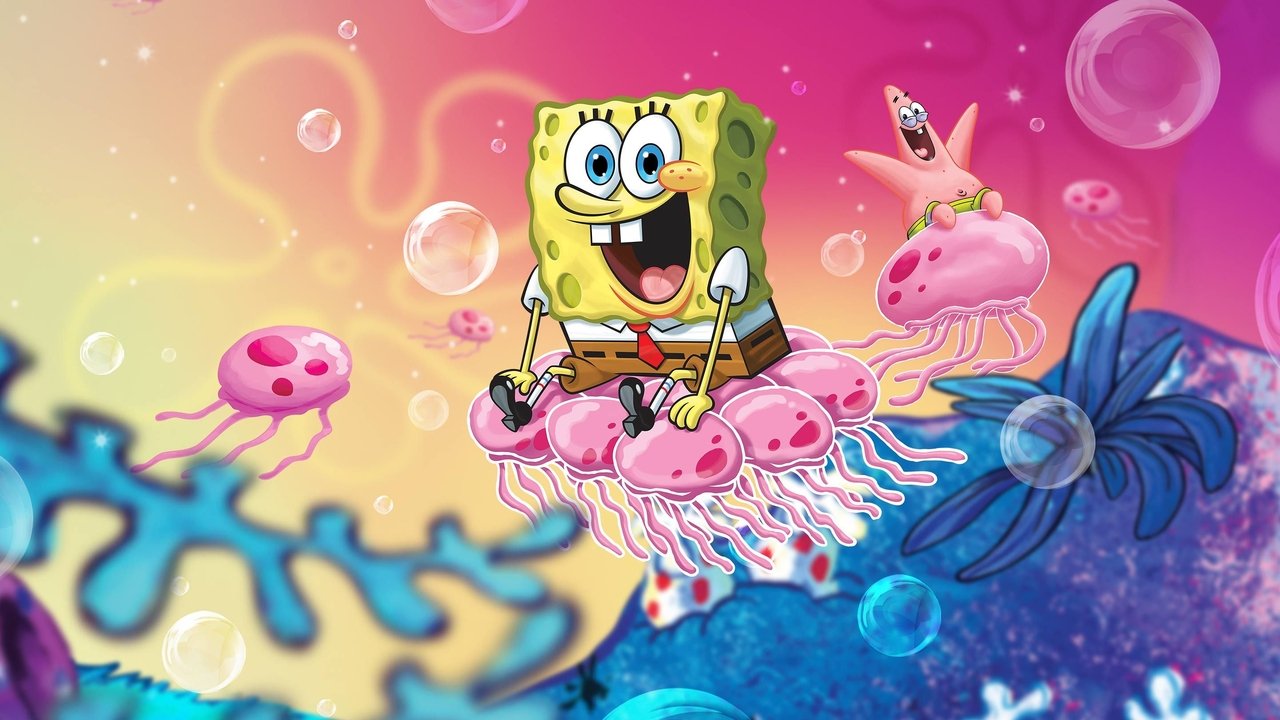
Strip away the giggle-inducing visuals and the endless parade of nautical nonsense, and you find a series with a surprisingly coherent worldview. At its core, this is a show about finding contentment in a small life. The protagonist is a fry cook who lives in a pineapple, owns a pet snail, and genuinely believes he has the best job in the world. That premise alone is a quiet argument against ambition for its own sake. He does not dream of leaving Bikini Bottom or climbing some underwater corporate ladder. He wants to flip patties, hang out with his best friend, and go jellyfishing. For anyone wondering what is SpongeBob SquarePants about beyond the slapstick, the answer sits right there: it is about the radical idea that happiness does not require greatness.
The Ideas Behind SpongeBob SquarePants
A deeper SpongeBob SquarePants analysis keeps circling back to one central tension: the friction between innocence and cynicism. The show populates its world with characters who each represent a different response to adult life. Squidward is the frustrated artist trapped in a dead-end job, convinced the world owes him recognition. Mr. Krabs embodies unbridled capitalism, treating every interaction as a transaction. Patrick is pure id, unburdened by thought. Sandy is curiosity and ambition in equal measure. Against all of them stands the sponge, who absorbs their worst behavior and responds with unshakeable cheerfulness. That contrast is where the SpongeBob SquarePants philosophy really lives — not in lectures, but in the way its hero refuses to let the world harden him.
The SpongeBob SquarePants meaning extends further into questions of work and identity. The Krusty Krab is not a glamorous setting, yet it becomes the emotional center of the series. The employee who loves his minimum-wage job is treated as a punchline by his coworkers, but the show quietly suggests he has figured something out that they have not. Labor, in this world, is not a burden to escape but a source of dignity. That is an unusually generous idea for a cartoon aimed at children, and it is one reason the series rewards rewatching as an adult.
Genre Roots and Influences
Animation scholars and longtime viewers alike have traced the show's lineage to classic cartoon comedy — the rubbery physicality of mid-century theatrical shorts, the chaotic energy of slapstick, and the surreal sight gags that defined the form before television softened it. The series also inherits the tradition of the workplace sitcom, staging most of its conflicts around a single restaurant and a fixed cast of regulars. The underwater setting lets it fold in tiki culture, from the wooden decor of the Krusty Krab to the Polynesian-styled architecture of Bikini Bottom, and the sea-creature cast turns marine biology into a running visual joke.
Where the show departs from its ancestors is in structure. Classic shorts were built around a single escalating gag; this series builds character-based humor, letting the humor emerge from who these creatures are rather than what happens to them. That shift places it closer to later ensemble comedies than to the slapstick tradition it visually resembles. Younger audiences who enjoy that ensemble dynamic often find a similar energy in The Proud Family, which shares the same interest in loud, distinct personalities bouncing off one another.
Why SpongeBob SquarePants Matters Now
There is a reason this series never really left the cultural conversation. A recurring thread in SpongeBob SquarePants themes is the way optimism functions as a kind of rebellion. In an era when irony and detachment dominate so much of popular entertainment, the show's earnestness feels almost subversive. Its hero does not roll his eyes at his circumstances; he celebrates them. That posture has aged remarkably well, and it explains why clips from the series circulate endlessly online decades after they first aired.
The show also matters because of how thoroughly it shaped a generation's comic vocabulary. Its gags, its exaggerated reaction faces, and its deadpan non-sequiturs have become shorthand in internet culture. When a series is quoted this often, that is usually a sign that its sensibility captured something durable — and this one did. For families who want to share that kind of warm, character-driven comedy with younger viewers, Bubble Guppies carries a similar underwater spirit with a gentler tone. Those looking for the vintage cartoon energy that feeds into the show's DNA should also explore The Looney Tunes Show, which trades in the same exaggerated ensemble comedy.
SpongeBob SquarePants: The Bottom Line
Judged as pure children's entertainment, the series is efficient and endlessly repeatable. Judged as something more, it is a case study in how a simple premise can carry real themes without ever announcing them. The submerged town, the fast food restaurant, the jellyfishing expeditions — all of it is a stage for a single idea: that a good life is built from small pleasures, steady work, and the people you share them with. The SpongeBob SquarePants themes are never shouted. They are baked into the world itself, which is why the show holds up whether you are eight or forty.
SpongeBob SquarePants Verdict
Few cartoons manage to be both this silly and this quietly wise. The show's genius is that it never asks you to notice its depth. It hands you a laughing sponge, a grumpy neighbor, and a starfish who cannot tie his own shoelaces, and somewhere in the middle of all that chaos, it makes a compelling case for kindness and contentment. That combination of warmth and wit explains its remarkable 7.7 rating across thousands of viewers and its permanent place in animation history. It remains essential viewing — not as nostalgia, but as one of the sharpest, most generous portraits of a small life ever animated.