Wandance (2025): Dance as a Language Beyond Speech
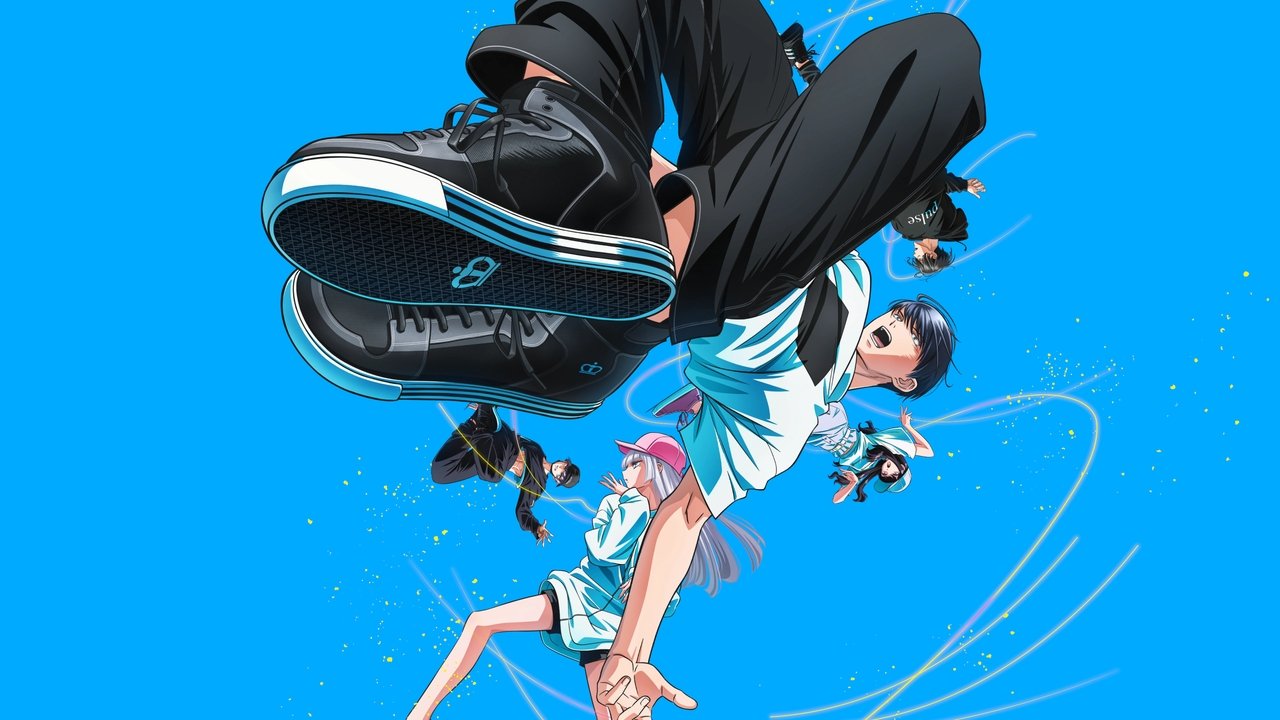
Wandance (2025) follows a stuttering high schooler who discovers dance as a freeing way to express what words cannot.
November 4, 2026
What the Film Is Really About
Animation can carry profound ideas under gentle surfaces. To begin, we might ask what is Wandance about beyond a boy joining dance. The plot centers on Kabo, a high schooler with a stutter that makes speech painful. His inner world is vivid, but words betray him. He notices Wanda, a classmate who moves freely without caring for judgment. Kabo is drawn not just by affection but by the promise of a language he can speak with his body. This premise anchors a meditation on adolescence, silence, and finding outlet beyond perfect pronunciation. The film follows seinen tradition, aiming at older teens with emotional realism instead of broad comedy. It continues a line of Japanese animation that treats school as a crucible for identity rather than fantasy backdrop. Kabo's struggle mirrors any youth trapped behind insecurity. His step into freestyle dance is about reclaiming agency, not winning contests. The story refuses to paint movement as a cure; it shows motion as ongoing conversation with self. Through that frame, the work becomes an essay on the right to occupy space. Wanda proves expression need not be polished. Kabo's path suggests the body can testify when the mouth cannot. Such framing lifts it above typical coming-of-age fare.
The Ideas Behind Wandance
Several concepts give the movie weight. We notice that the Wandance themes center on self expression as survival, friendship as permission, and romance as gentle discovery. Kabo's speech impediment is a structural device, forcing viewers to feel the friction of suppressed words. The contrast between stillness and rhythm reveals the Wandance meaning. When Kabo watches Wanda, he sees someone unburdened by others' gaze; that freedom becomes a beacon. The film argues performing arts are essential laboratories for self, not decorative extras. Through dance, Kabo experiments with vulnerability without vocabulary. The storyline touches seinen manga roots where internal monologue matters as much as action. Friendship appears as shared practice; the leads grow by witnessing attempts. Romance simmers without overshadowing the quest for voice. The ideas resist moralizing. Small victories—a held pose, a relaxed shoulder—carry philosophical load. This aligns with contemporary anime trusting audiences to read subtext. The result is a textured exploration of identity when official channels feel closed. By framing expression as physical rather than verbal, the work opens doors for linguistically marginalized viewers.
Genre Roots and Influences
To appreciate texture, we locate it in cultural lineage. We can place the Wandance high school drama within a long tradition of manga adaptations that use the classroom as microcosm. Unlike shonen tournaments, this seinen-inflected story lingers on glance and gesture. Its ancestors are thoughtful youth narratives prioritizing atmosphere. For viewers who enjoyed Beck: Mongolian Chop Squad, the parallel is clear: both center adolescents finding belonging through performative art rather than academic success. The school setting is a stage where identities are rehearsed. Dance as sport appears as personal ritual, echoing Japanese dedication to practice as maturity path. Animation favors fluid motion over static poses. In a conformity-prone society, a stuttering boy and free dancer carry quiet subversion. The film nods to performing arts lineage while updating for social media scrutiny. It suggests real connection happens offline, in sweat and awkwardness. Tracing roots shows homage and renovation. It respects introspective manga-derived tone yet expands vocabulary of school drama. Sports-anime discipline merges with slice-of-life tenderness, creating something its own.
Why Wandance Matters Now
Released in 2025, the feature meets cravings for authenticity. Through a closer Wandance analysis, we see how the narrative responds to anxiety about digital communication. Many teens feel fluent in text yet Kabo inverts that: he finds bodily expression when words trap him. This reversal feels timely. The film reflects appetite for invisible-disability stories, treating stutter with nuance not comedic quirk. In an age of curated personas, Wanda's disregard for observer reads radical. Its emphasis on friendship and slow romance counteracts sensationalized youth depictions. Meaning builds in rehearsal rooms, not highlight reels. The seinen label trusts older teens with ambiguity. The rating of 7.4 from eleven votes hints early adopters value restraint. Themes of self expression resonate globally as audiences seek validation of quiet struggle. Centering performing arts nods to creativity's therapeutic post-pandemic role. For those who connected with Senpai Is an Otokonoko, the shared break from social expectation feels familiar. Ultimately, it models gentle bravery: moving when speaking seems impossible.
Wandance: What We Thought
Our impression is shaped by ambition to say little and mean much. Voice work from Koki Uchiyama and Hina Youmiya grounds characters; Uchiyama conveys Kabo's hesitation through timing. Runtime is unlisted, but pacing breathes. The 7.4/10 from eleven votes signals promising reception. Dance metaphor stays skillful, never showcase excess. Each movement serves emotional argument. Manga roots show in panel composition, yet animation transcends source. If you liked reflective stories such as Bloom Into You, you'll find this restrained affection compelling. Limited ratings make broad judgment premature, but thematic clarity is undeniable. The movie avoids tidy resolution; Kabo's stutter remains, yet confidence finds new channel. That honesty refreshes. For streaming audiences, it's a worthwhile detour from action, offering substance without sermonizing.
Wandance At a Glance
For quick reference, here are essential details:
- Original title: Wandance (2025)
- Genres: Animation, Drama
- Main cast: Koki Uchiyama, Hina Youmiya
- Rating: 7.4/10 based on 11 votes
- Themes: dance, stutter, friendship, romance, coming of age, school, self expression, seinen, anime, performing arts, sport
- Source: Based on manga
The blend of high school setting and character study makes this a notable animated entry. Whether drawn by movement or quiet adolescence portrait, the work rewards attention. Its streaming presence grants easy access to a story once niche. We encourage viewing with open mind and willingness to hear unspoken rhythms.