Young Justice (2010): Teen heroes claim their League spot
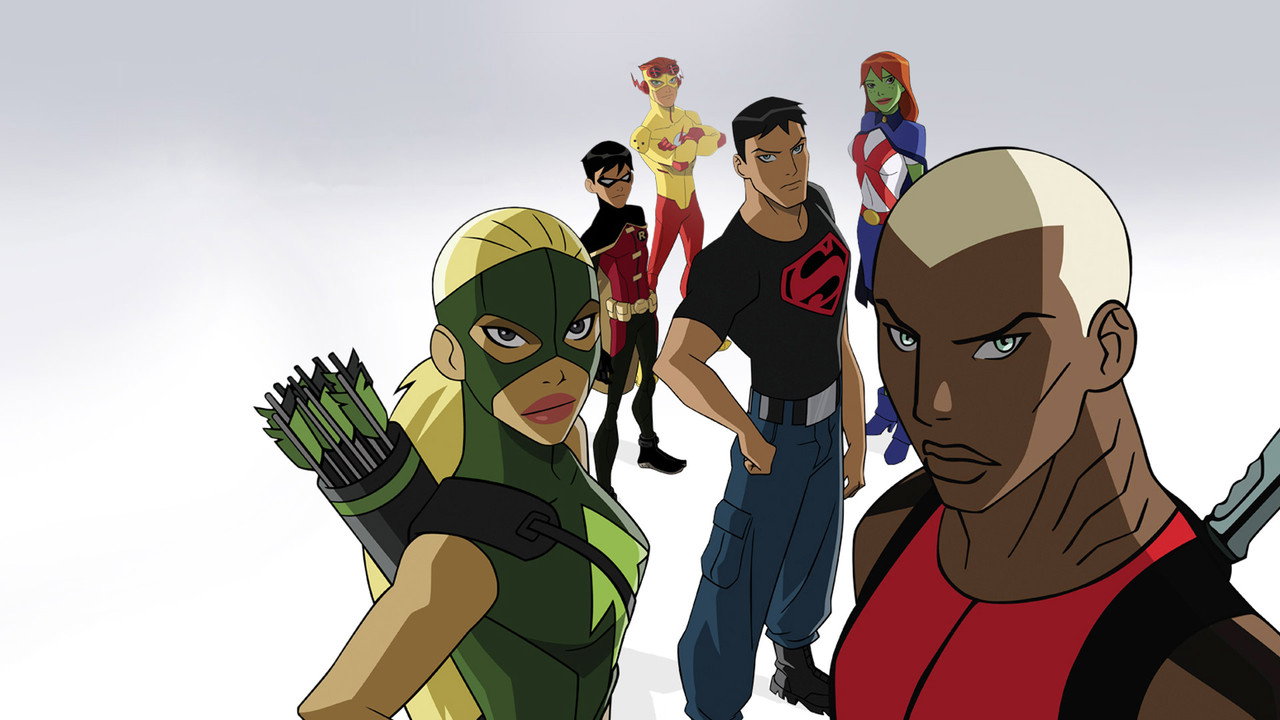
Teenage superheroes strive to prove themselves as members of the Justice League in the animated series Young Justice (2010).
October 27, 2026
What the Film Is Really About
For newcomers wondering what is Young Justice about, the simplest answer is that it follows teenage superheroes striving to prove themselves as members of the Justice League. Yet that description barely scratches the surface of a show that uses its tagline "Don't call them sidekicks" as a thesis statement. The animated program, which earned an 8.4 rating from over twelve hundred voters, positions its cast of adolescents not as backups but as protagonists with agency. Rather than functioning as a lighthearted adjunct to the adult heroes, the narrative constructs a parallel institution where the younger generation must negotiate trust, competence, and identity under the shadow of legends.
The plot summary may sound modest: teenage superheroes strive to prove themselves as members of the Justice League. But the emotional engine is the friction between being designated a helper and claiming the status of a hero in one's own right. Voice performers such as Jesse McCartney, Khary Payton, Nolan North, Danica McKellar, Stephanie Lemelin, Greg Cipes, Lacey Chabert, and Denise Boutte lend the ensemble a conversational realism that keeps the philosophical material grounded. Their characters are not mere echoes of their mentors; they are individuals processing the burden of inherited symbolism while attempting to write fresh stories.
The Ideas Behind Young Justice
One should consider Young Justice themes before dismissing the show as mere filler. The writing repeatedly returns to mentorship, the weight of expectation, and the politics of trust between generations. Through missions that parallel those of the adult League, the teens learn that heroism is not a hereditary title but a set of choices made under pressure. The series interrogates the assumption that experience automatically grants wisdom, suggesting instead that youthful intuition can correct institutional blindness.
Another central idea is the performance of maturity. The characters often operate in spaces designed for adults, yet they must improvise protocols that suit their own ethical frameworks. This produces a quiet commentary on adolescence itself: the period when one is granted responsibility without full authority. The show's preference for ensemble storytelling means no single teen absorbs all the symbolic weight, allowing the theme of collective empowerment to multiply across episodes.
The show's interest in young people claiming space within established institutions reminds us of other heroic narratives. Fans of this structure might also enjoy Painkiller Jane, a series that places a fierce protagonist against systemic threats. Both texts question who gets to wear the badge and under what conditions rebellion becomes necessary for growth.
Genre Roots and Influences
We recommend the Young Justice animated series to anyone who enjoys team dynamics and moral complexity. Its lineage traces back to comic book ensembles where sidekicks gained independence, yet it updates that tradition with serialized storytelling akin to young adult fiction. The genre blending of animation, sci-fi and fantasy, and action adventure creates a flexible canvas where metaphysical threats coexist with locker-room doubts.
Stylistically, the program owes much to the silver-age notion of the superhero team while injecting modern serialized continuity. Earlier animated efforts often isolated teen characters into comedic relief; here the camera lingers on their strategic meetings, their failures, and their slow accumulation of tactical knowledge. This shift reflects a cultural move toward respecting younger audiences as thinkers, not just consumers of bright colors.
Earlier attempts at broadcasting adolescent saviors include Jeremiah, a post-apocalyptic drama centered on young survivors. While tonally different, it shares the conviction that teen perspectives can carry serious genre weight. Watching these influences side by side illuminates how Young Justice refines the template rather than inventing it from nothing.
Why Young Justice Matters Now
We can grasp Young Justice meaning only by watching the ensemble grow from uncertain recruits into decisive operators. In a cultural moment saturated with reboots, the series argues that the future of any mythology depends on letting newcomers fail, recover, and lead. The tagline "Don't call them sidekicks" is not a slogan but a demand for narrative equity, a claim that the next wave deserves the same thematic seriousness as the icons who came before.
Themes of inclusion and self-definition resonate beyond the screen. With a voice cast featuring a wide range of actors, the show presents a spectrum of teen experiences that mirror real adolescent negotiation of identity. Its rating of 8.4 out of 10 suggests viewers recognized that a cartoon about caped youths could still engage with genuine questions about belonging. The cultural context of the early 2010s, when superhero media was exploding across platforms, makes the series a fascinating case study in how franchises negotiate succession.
Young Justice: What We Thought
Fans may attempt their own Young Justice analysis after finishing the first season, but our reading emphasizes symbolism of the "sidekick" label as a cage. The moment a character rejects that label, the narrative shifts from obedience to authorship. We found the writing most compelling when it allowed silence and doubt to coexist with spectacle, proving that animation can host introspective drama without losing kinetic energy.
The ensemble approach avoids the trap of a single chosen one. Instead, the show distributes meaning across a team, suggesting that collective action is itself a form of resistance against hierarchical heroism. If this kind of intergenerational superhero drama appeals, Raising Dion offers another look at young ability meeting adult responsibility. Each program respects its youthful audience enough to avoid simple answers, and both reward patient viewing with layered character arcs.
Young Justice FAQ
Below are a few conceptual questions that often surface when discussing the series as more than entertainment.
- Is the show purely for children? Not at all; its layered writing invites all ages to reflect on institutional loyalty.
- What comic tradition does it draw from? It is based on comic superhero team structures, reimagined with serialized depth.
- Why does the tagline matter? "Don't call them sidekicks" encapsulates the central thematic refusal of subordinate status.
- How does the rating reflect quality? An 8.4 from over twelve hundred votes indicates sustained appreciation for its tone.
Ultimately, the series stands as a thoughtful entry in the superhero canon, one that uses its animated format to ask live-action franchises a simple question: who gets to be the hero when the legends are still in the room?